
Why Climate Matters for Your Front Door
A front door does more than greet visitors. It protects the home from weather, controls energy loss, and shapes the first impression of the house.
Now think about Atlanta’s climate. Summers bring heat and humidity. Winters may not be extreme, but the temperature swings can still affect how materials expand and contract. Over time, that pressure can weaken doors that were never designed for such changes.
So the question becomes simple. What kind of front door works best when the weather refuses to stay consistent?
This guide looks closely at that question. We will explore materials, insulation, and design choices that help homeowners stay comfortable year round.
The Real Impact of Seasonal Temperature Swings
Many homeowners do not think about their front door until it starts sticking, letting in drafts, or showing wear from the sun.
That is usually the moment when people start exploring front door replacement in Atlanta. Climate stress is one of the most common reasons doors stop performing well.
Hot air expands materials. Cold air contracts them. Add humidity to the mix and the structure of the door begins to shift. A poorly insulated door can also allow heat to enter the home during summer and escape during winter.
The result is simple. Higher energy bills and less comfort indoors.
A good door should do the opposite. It should create a barrier that keeps outdoor conditions where they belong.
What Makes a Front Door Work in Both Heat and Cold
Some doors struggle with weather changes. Others are designed to handle them.
So what makes the difference?
The answer usually comes down to structure and insulation.
A strong door includes an insulated core that slows down heat transfer. It also uses materials that resist warping and moisture damage.
Think of it like a winter jacket for your home. When the door performs well, your heating and cooling system does not have to work overtime.
Materials That Handle Atlanta’s Weather Best
Not all door materials behave the same way in changing weather. Some respond better to heat, humidity, and occasional cold.
Here are a few options that perform well in mixed climates.
- Fiberglass doors resist warping and hold insulation very well
- Steel doors provide strong security and good energy performance
- Insulated composite doors combine durability with thermal efficiency
- Solid wood doors offer classic beauty but require more maintenance
- Glass panel doors allow light but should include insulated glass
Each material brings different advantages. The best choice often depends on how the home faces the sun and how much exposure the entry receives.
Key Features to Look for in a High Performance Door
Beyond the material itself, certain features improve how a door handles seasonal changes.
Homeowners often overlook these details. Yet they can make a huge difference.
Important performance features
- Multi layer insulation inside the door panel
- Weather stripping that seals the frame tightly
- Energy efficient glass panels when windows are included
- Strong frames that prevent shifting over time
- Quality locking hardware that keeps the door aligned
These small components work together to create a strong barrier against outdoor conditions.
When installed correctly, the door becomes part of the home’s overall energy strategy.
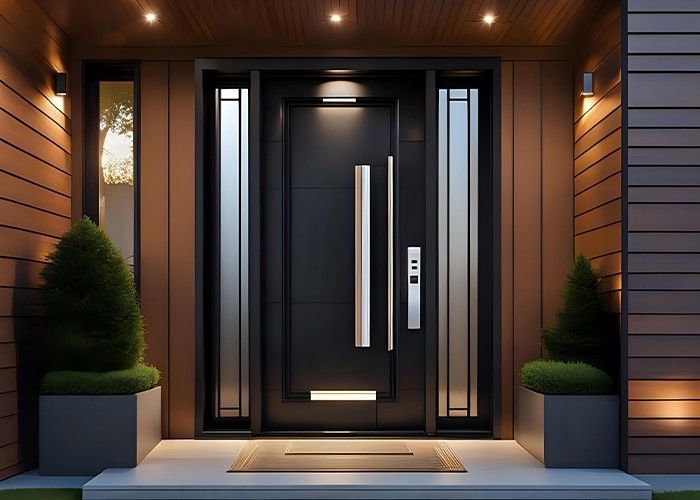
When Style Meets Function in Modern Entry Doors
Here is where many homeowners face a dilemma.
They want a door that performs well. They also want something that looks beautiful.
Fortunately, modern designs allow both.
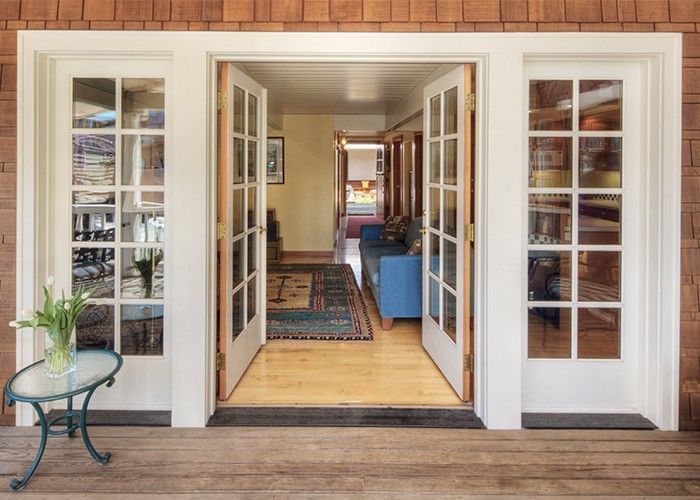
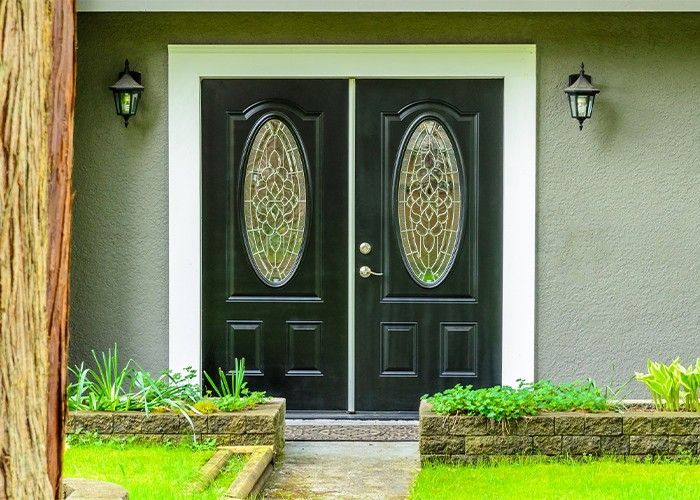
For example, homeowners often pair entry doors with decorative glass or even coordinate them with patio openings. In some homes, people also explore French door installation in Atlanta to bring more natural light into living spaces while maintaining energy efficiency.
The key is balance. Style should never compromise performance.
Today’s doors are built with both in mind.
Expert Insight From Door Specialists
Professionals who work with doors every day often share similar advice.
Focus on durability first. Then think about design.
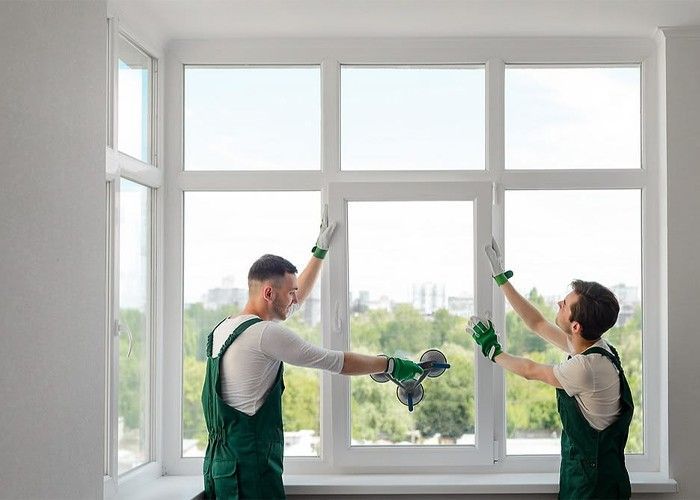
A properly installed door can last decades. But installation matters as much as the door itself.
One experienced installer once explained it like this.
“A great door installed poorly will fail. A good door installed properly will surprise you.”
That is why homeowners benefit from working with specialists who understand how different materials behave in real homes.
Climate, exposure to sunlight, and the structure of the entry frame all play a role.
Final Thoughts
Choosing a front door should never feel like guesswork. The right door protects your home, improves comfort, and strengthens curb appeal at the same time.
At Atlanta Area Windows & Doors, we have spent years helping homeowners find solutions that match both their homes and the Atlanta climate. Our team focuses on proper measurements, strong materials, and installations that last.
We believe a door should do more than look good on day one. It should perform well every season of the year.
If you ever feel unsure about what your home needs, reach out to us. We are always happy to walk through the options and help you choose a door that truly works for your space.
FAQs
1. Can the direction my front door faces affect its lifespan?
Yes. Doors facing direct afternoon sun often experience more heat stress. South and west facing entries may benefit from fiberglass or insulated steel doors that resist expansion.
2. Why do some front doors feel hot to the touch in summer?
Certain materials absorb heat faster. Dark colors and metal surfaces can become warm under strong sunlight. Insulated cores and protective finishes help reduce this effect.
3. Does adding glass panels reduce a door’s energy performance?
Not necessarily. Modern insulated glass panels are designed to limit heat transfer. The key is choosing energy efficient glass instead of standard panes.
4. Can replacing a front door actually improve indoor comfort?
Yes. A properly sealed door reduces drafts and stabilizes indoor temperatures. Many homeowners notice improved comfort immediately after installation.
5. What is the biggest mistake people make when choosing a front door?
Many people focus only on style. They forget to consider insulation, climate resistance, and professional installation. A balanced choice delivers the best long term results.