



A quick note before we start
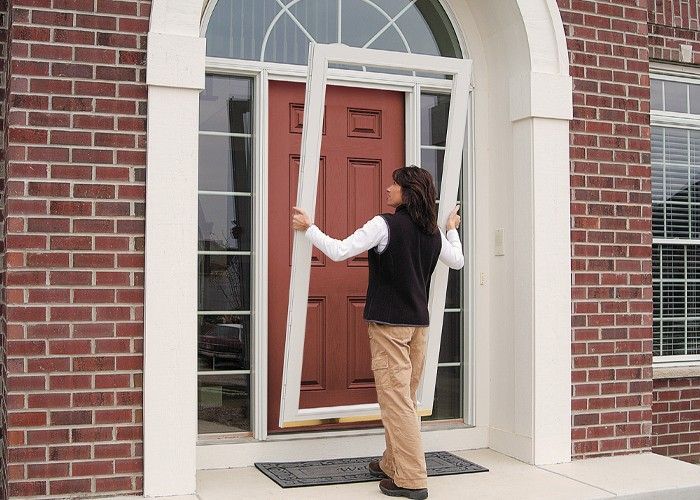
Many first timers try to install a new door with a mix of hope and guesswork. The result often turns into stress. A small slip can create gaps, squeaks or drafts that ruin comfort. A few minutes of care can save hours of repair later. A smart move is to lean on a true door installation expert from the start. The right steps matter more than people think.
Mistake one: poor size checks
Many think they have the right size just because the old frame looks normal. A door is never just a slab of wood or glass. Every inch of the frame plays a part. A tiny error on the top or side can push the door off its path.
Many beginners skip small checks. They forget to test both width and height in more than one spot. They skip the check at the sill. They skip the check near the top of the frame. A home can shift over time. Walls can lean a bit. That slight lean can twist the door if the new slab sits flush in only one location.
You also need to check the angle of the floor. A slight slope may force the door to drag. A quick test with a simple level helps. If you skip this, the door might jam right after you hang it. Many homeowners assume the slab is wrong when the slope is the real cause.
A careful size check keeps you safe from poor fits and wasted money.
Mistake two: weak frame prep
Newbies often rush to hang the door without prepping the frame. Old paint chips. Sticky corners. Broken shims. Many problems hide in plain sight.
A frame must be smooth. A frame must sit firm. Any rot near the sill or sides creates trouble later. Many new installers skip sanding. Some skip vacuuming dust. When dust hides inside the hinge areas, screws loosen faster. The door might sag within months.
A dry and clean frame is key for secure hinges. You must also check the hinge side for strong grip. Soft wood does not hold screws for long. A small wood filler patch or a firmer piece can save the day.
A door performs well only when the frame gives full support.
Mistake three: wrong hinge work
Many beginners assume hinges are simple parts. Two leaves and a few screws. Yet hinge placement can either make the door glide like new or grind like old metal.
Some first timers place the hinge too near the edge. Some leave the hinge sitting proud. Some sink it too deep. Each small slip shifts the swing of the slab. A gap grows on one side. A scrape starts on the other.
The hinges must sit flush with the surface. The screws must hold tight without splitting wood. You must line up each hinge in a straight row. Any crooked spot builds pressure along the path.
People often rush as they near the last screws. That last push to finish early leads to poor alignment. A smart installer keeps the line neat from top to bottom.
Hinge work can look simple. Yet the door will tell the truth the first time it moves.
Mistake four: sealing mistakes and draft issues
Many beginners treat sealant as an afterthought. They add a quick bead around the frame. Then they step back with pride. A few days later they feel a chill around the edges.
A good seal keeps heat and cool air where you want them. A weak seal forces your home to work harder. Many new installers forget to fill small gaps that hide near corners. These tiny gaps allow moisture to slip inside. Over time the frame may warp or swell.
A seal should sit smooth. Not too thick. Not too thin. You also need the right type of seal. Many beginners use old material they find in the garage. A low grade seal might crack within a season.
You need to apply it with care. You must press it into hidden spots. You must smooth it with a clean finish. A strong seal helps the door stay firm and weather ready.
A small detail like this keeps your door sturdy for years.
Mistake five: mixing door work with other home tasks
Many new homeowners think they can pair their door project with a window project or other upgrades. They think it saves time. It often does the opposite.
Each project calls for its own focus. Mixing the tasks creates clutter. Dust spreads. Parts scatter. People forget which shim fits where. One error leads to another.
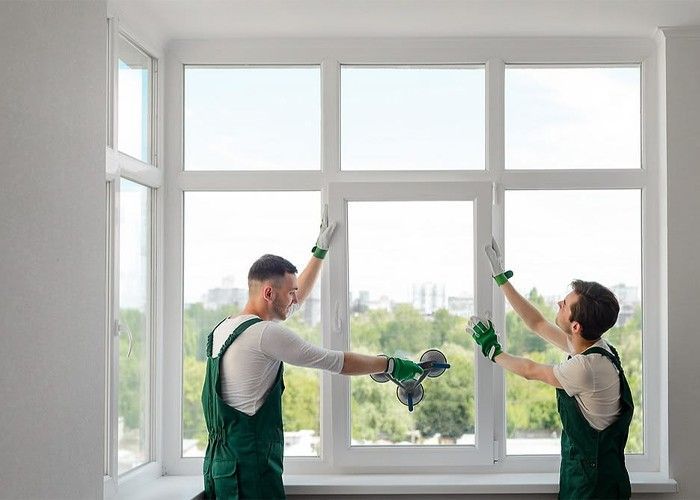
Some even try to swap a slab on the same day they attempt a double hung windows installation. That combo slows the pace and drains focus. Door work needs stillness. Door work needs a clear space. You need a clean floor. You need open light. You need room to bend and check gaps.
Newbies often crowd the area. They place tools near the frame. They lean old slabs near the hinge side. All these choices cram the workspace. That creates risk. One wrong step bends the frame. One slip damages the edge of the slab.
A clear space keeps your mind sharp. It also keeps your new door safe.
Final thoughts
Your door protects your comfort and your peace. A small oversight during the install can cost money later. Strong prep. Careful checks. Safe space. These steps hold real value. You can always count on Atlanta Area Windows and Doors for smart help when needed. Our crew knows how to shape a smooth and steady fit. You can trust us to guide you with simple advice and clear steps. We want your home to feel safe and look good.
FAQ section
1. Why does a new door sometimes shift a few weeks after install?
A home can settle slightly as seasons change. Wood can expand a bit. A tiny shift in moisture or heat can alter the frame. A skilled installer adds proper shims to reduce these movements.
2. What makes a door slab twist even if the frame looks straight?
Humidity can warp the slab. A door stored on its edge can twist before install. A slab must rest flat until you are ready to hang it.
3. Why do hinge screws loosen sooner than expected?
Soft wood in the hinge area weakens grip. A starter hole that is too large also reduces hold. A simple wood plug or filler can solve this.
4. What causes a door to swing open on its own?
A slight tilt in the frame or floor can move the slab toward one side. Adjusting shims or hinge depth often fixes it.
5. How can a homeowner tell if a seal needs new care?
Hold your hand near the edge during a cold day. If you feel a small chill you may need fresh sealant. A small bead can restore comfort fast.